
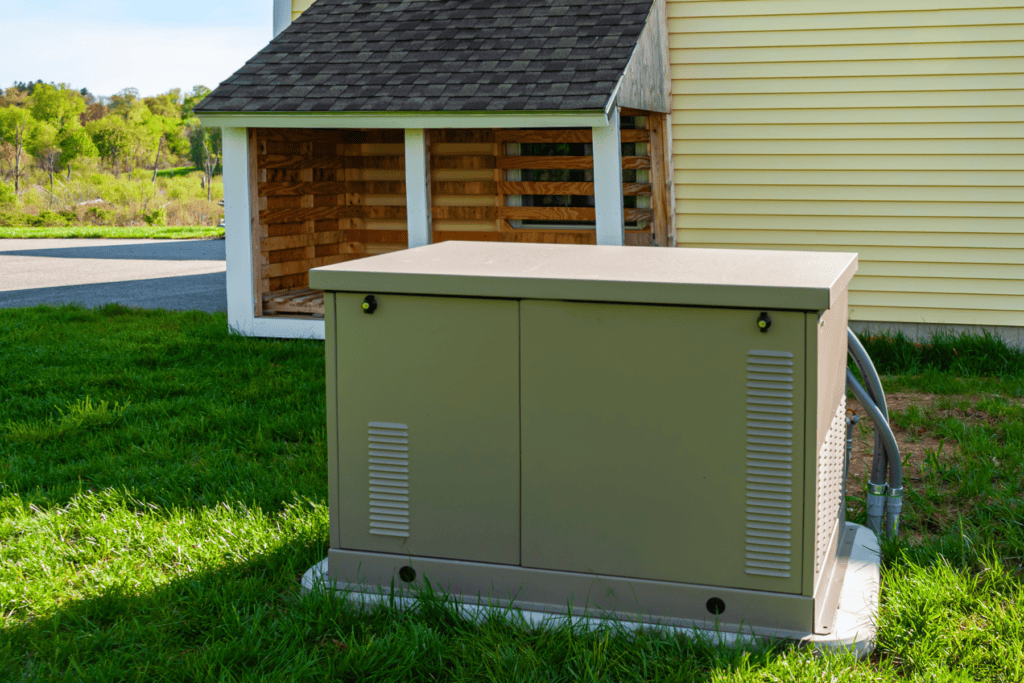
Winter storms across the Mid-Atlantic can bring heavy snow, ice, and high winds. These harsh conditions often leave neighborhoods without electrical power for days. Scheduling timely generator maintenance before freezing weather arrives helps keep your home warm and safe. A proactive inspection can help identify developing problems before an unexpected power outage. Regular generator maintenance improves system readiness and reduces the risk of preventable equipment problems when you need backup power.¹
Taking care of your system involves simple homeowner checks and skilled professional service. Homeowners can monitor cabinet exteriors, visible fluid conditions, and scheduled exercise cycles without opening or servicing internal components. Meanwhile, complex electrical circuits require trained hands. TriState Home Services has been in business since 1949, helping area families protect their homes with reliable heating, cooling, and electrical solutions. This guide explains what you can safely check yourself and when our certified technicians in Frederick, MD, should handle complex mechanical tasks.
Safe Exterior Checks to Winterize Generator Systems
Before severe weather arrives, you can complete several safe visual checks outside your home. Taking time to winterize your generator’s surroundings helps protect the cabinet from snow, ice, and windblown debris. These non-invasive steps require no special tools, yet they offer valuable insight into equipment health. Routine homeowner visual checks are the first step in annual generator maintenance.
Clearing Air Intake Louvers and Exhaust Vents
Cold air intake vents and hot exhaust ports must stay clear during winter operation. Dead leaves, fallen branches, and nesting pests often collect around outdoor utility cabinets in late autumn.
When checking the cabinet exterior, inspect the surrounding space to keep airflow unobstructed:
- Clear away fallen leaves, brush, and twigs from all cabinet intake grilles.
- Keep shrubs, landscape plants, snow, and other obstructions outside the clearance area specified by the generator manufacturer.
- Inspect the exhaust discharge opening to confirm birds or rodents have not nested inside.
- Verify that the concrete or composite equipment pad sits level above the ground.
A clean perimeter reduces fire hazards and ensures steady airflow during heavy snow. If you notice a cracked pad or cabinet damage, report it during your next service visit.
Monitoring the Weekly Exercise Cycle
Many standby generators are configured to run an automatic exercise cycle on a scheduled basis. Exercise settings and run times vary by equipment, so homeowners should follow the manufacturer’s instructions for their specific system. During an exercise cycle, you can observe the unit from a safe distance and watch for alarms, unusual sounds, smoke, or unexpected shutdowns.¹ Homeowners can safely observe this test from a short distance without touching moving parts. Listen for smooth engine operation without unusual rattles, heavy smoke, or sudden stalls. Check the enclosure’s external indicator lights to confirm the system shows no active fault codes.
Winter Generator Maintenance: Oil, Filters, and Fuel Integrity
Freezing temperatures place heavy physical strain on small engines. Proper fluids and clean fuel delivery are vital for reliable cold-weather starting. Proactive generator maintenance protects the engine block against severe thermal stress and ensures stable electrical output during winter emergencies.
Protecting the Engine with a Fresh Generator Oil Change
Engine oil thickens in cold weather, which forces the starter motor to work harder. Scheduling a professional generator oil change before winter ensures the engine has the proper oil viscosity. Oil type and service intervals vary by generator model, operating hours, environment, and manufacturer requirements. A professional generator oil change should use the oil viscosity and maintenance schedule specified for the particular equipment.¹
Routine generator maintenance includes checking oil level and condition, filters, and signs of leakage.¹ During an oil service, technicians replace the oil filter and check the air filter to support clean combustion.
Verifying Supply Through Generator Fuel Maintenance
Fuel delivery is another essential link in winter storm preparedness. For systems powered by natural gas or propane, thorough generator fuel maintenance includes checking fuel pressure and inspecting flexible supply lines. Required fuel pressure and delivery specifications vary by generator and fuel system, so technicians should verify operation against the manufacturer’s requirements. Technicians inspect manual shutoff valves and flexible hoses for signs of cold-weather cracking. If your system runs on propane, monitor your fuel tank levels early to avoid winter delivery delays.
Standby Generator Service and Critical Electrical Care
Basic exterior monitoring belongs in your seasonal routine, but electrical components require licensed expertise. Enclosures house high-voltage connections, control boards, and heavy wiring. Professional standby generator service keeps these complex circuits running safely without damaging sensitive home electronics.
The Importance of Generator Battery Maintenance
The starting battery is critical in many standby generator systems because the generator depends on it to start when utility power fails.¹ Routine generator battery maintenance involves cleaning terminal connections, checking the charger output, and testing cold-cranking amps under load. Cold operating temperatures can reduce the available capacity of lead-acid batteries, which makes battery condition especially important before winter.² When diagnostics show low reserve capacity, replacing the generator battery on time prevents a sudden starting failure.
Automatic Transfer Switches and Backup Power Trade-Offs
Whole home generator maintenance extends beyond the engine cabinet to the automatic transfer switch near your electrical service panel. This switch detects a grid failure, starts the engine, and safely transfers electrical loads. A licensed electrical company in Frederick, MD, should inspect or service internal transfer-switch components. Homeowners must never open energized switch panels. Including the transfer switch in generator preventive maintenance helps verify that the backup-power system is operating as intended.¹
Backup-power systems also have different maintenance and operating requirements. Permanently installed standby generators require engine, fuel, battery, and transfer-switch maintenance, while portable generators require separate fuel-handling and operating precautions. Portable generators must always be operated outdoors, at least 20 feet from the home, with exhaust directed away from windows, doors, and vents because of the risk of carbon monoxide poisoning.³ Battery storage systems avoid engine oil and fuel maintenance but still require inspection and service.
Scheduling professional generator maintenance before winter eliminates surprises and helps you maintain dependable backup power, regardless of your system choice.
Comprehensive Winter Preparedness for Reliable Backup Power
Preparing your auxiliary power system for freezing weather protects your family and your property. Combining simple homeowner observations with professional standby generator maintenance catches minor mechanical issues before bitter winter temperatures arrive. Keeping cabinet vents clear, checking oil levels, and tracking weekly exercise cycles build a strong foundation for equipment reliability.
Scheduled inspections of fluids, starting batteries, and transfer mechanisms keep your backup system ready for long winter outages. Reliable backup power can help keep your home heating system running during an outage, reducing the risk of freezing damage to indoor plumbing in severe cold. Scheduling seasonal generator maintenance ensures smooth operation when the regional power grid goes dark.
Schedule Your Professional Generator Inspection Today
Don’t wait for winter storms to discover your backup electrical system needs service or replacement parts. TriState Home Services has delivered trusted electrical solutions, generator care, and comprehensive HVAC service in Frederick, MD, since 1949. Our technicians can inspect the generator’s mechanical components, fluids, starting battery, fuel system, and automatic transfer equipment, and recommend service based on the system’s condition and requirements. Contact our experienced local team today to schedule your annual generator maintenance and protect your home through every winter storm.
Sources
-
- Pacific Northwest National Laboratory. July 2021. Best Practices for Standby Generator Operations and Maintenance
-
- U.S. Department of Energy. September 1995. Primer on Lead-Acid Storage Batteries (DOE-HDBK-1084-95). Primer on Lead-Acid Storage Batteries
-
- U.S. Consumer Product Safety Commission. 2026. As Winter Storms Threaten Millions in the U.S., CPSC Issues Safety Tips to Help Families Prevent Carbon Monoxide Poisoning and Fires. CPSC Winter Storm Generator Safety Tips