
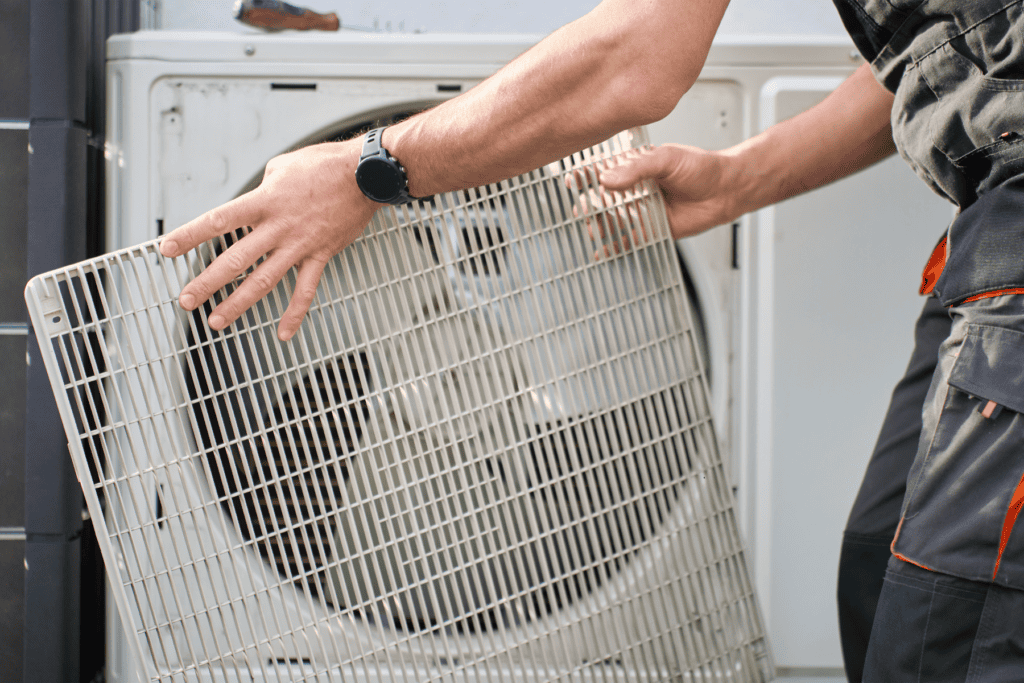
When evaluating a geothermal vs heat pump setup, many homeowners assume these are two completely unrelated pieces of heating and cooling equipment. In reality, a geothermal heat pump is simply one category of heat pump technology. A conventional air-source heat pump exchanges heat with the outdoor air, while a geothermal heat pump exchanges heat with the relatively stable temperatures of the shallow ground.¹ Both designs move thermal energy rather than generating heat through combustion, delivering dependable year-round comfort for regional households.
Choosing between an air-source heat pump and a geothermal installation comes down to how each system handles seasonal climate shifts, structural requirements, and initial site work. Homeowners across Frederick, MD, experience muggy summer afternoons alongside brisk winter mornings that test any mechanical system. Understanding the functional differences between conventional air-exchange models and buried ground loops helps you choose equipment that matches your property layout, budget, and long-term heating preferences.
Geothermal vs. Air-Source Heat Pump: How Each One Exchanges Heat.
Both configurations share the same thermodynamic principles, functioning as reversible refrigeration cycles that supply warmth in winter and central A/C in summer. The key distinction lies in the heat sink and source used during these operational cycles.
How Air-Source Units Interact with the Atmosphere
A conventional heat pump utilizes an outdoor cabinet containing a fan, compressor, and copper or aluminum coils. In heating mode, the unit extracts heat from outdoor air and transfers it indoors through the refrigeration cycle. During cooling cycles, the process reverses, pulling indoor warmth from your rooms and releasing it into the outdoor atmosphere. Because an air-source heat pump exchanges heat with outdoor air, its heating capacity and efficiency can change as outdoor temperatures fall. Modern cold-climate models are specifically designed and tested to maintain useful heating performance at low outdoor temperatures.²
How Ground-Source Loops Harness Earth Temperatures
A ground source heat pump uses a ground loop to exchange heat with the earth. Depending on the system and property, the loop may be installed horizontally or vertically. Underground temperatures are relatively stable compared with outdoor air, providing a consistent heat source in winter and a heat sink in summer.¹ The fluid circulating inside these buried pipes absorbs earth warmth in the winter and carries it inside to the heat exchanger. When cooling is needed, the geothermal heating and cooling cycle transfers indoor heat back down into the cooler ground. Because the ground temperature varies less than outdoor air temperature, geothermal systems are less directly affected by day-to-day outdoor temperature swings.¹
Property Requirements and Installation Logistics
Choosing between these two approaches requires examining your lot dimensions, soil composition, and landscaping priorities. An experienced team providing HVAC in Frederick, MD can survey your parcel to determine which mechanical configuration your property can support.
Air-source heat pumps generally require an outdoor unit, an indoor system, appropriate electrical connections, and refrigerant lines, but they do not require the underground loop field used by geothermal equipment. This can make them practical for properties where excavation or drilling would be difficult. Geothermal HVAC installations require space for an underground heat-exchange loop. Horizontal systems require enough land for buried loops, while vertical systems use drilled boreholes and can reduce the surface area needed.¹ Site conditions help determine which configuration is practical.
Evaluating Efficiency and Temperature Resilience
In an air source heat pump vs geothermal comparison, the biggest efficiency difference comes from the heat source each system uses. Both geothermal and air-source heat pumps can provide efficient heating and cooling because they transfer heat rather than generate it through electric resistance or combustion. Geothermal systems can achieve higher efficiencies by exchanging heat with the relatively stable ground instead of fluctuating outdoor air.¹ Ground-source units are less affected by cold snaps because the ground a few feet below the surface stays at a relatively constant temperature.¹ Modern cold-climate air-source heat pumps can maintain substantial heating capacity at low outdoor temperatures, although system sizing and the need for supplemental heat depend on the home, climate, and specific equipment.²
Ownership Considerations and Practical Trade-Offs
Evaluating equipment expenses means looking beyond the initial purchase price to consider routine servicing, expected operating life, and long-term home goals. Reliable HVAC service in Frederick, MD, can help maintain either system’s performance through routine inspections, maintenance, and needed repairs.
Geothermal Heat Pump Pros and Cons for Frederick Homes
Every household has different property boundaries, neighborhood guidelines, and financial priorities. Reviewing these geothermal heat pump pros and cons can clarify whether specialized excavation makes practical sense for your current situation:
- A geothermal heating system’s ground loop is buried below the surface, so it isn’t exposed to weather or outdoor debris.¹
- Drilling and excavation add to the upfront cost, so a geothermal heating system typically costs more to install than an air-source system of the same capacity.¹
- The underground loop can last for decades, while indoor components remain accessible for regular filter changes and checkups.¹
- Not every residential parcel possesses the soil depth, drilling clearance, or property setbacks needed for underground pipe fields.
- Air-source heat pumps generally avoid the excavation or drilling required for a geothermal ground loop, which can reduce site disruption during installation.
Flexible HVAC financing options can help balance upfront capital commitments with overall energy management goals. The better choice depends on the property’s site conditions, available installation space, upfront budget, energy costs, and the homeowner’s long-term comfort priorities. Geothermal systems generally cost more to install than comparable air-source systems, but the ground loop and stable underground temperatures can provide long-term operating advantages.¹
Summary: Finding the Right Balance for Your Home
Resolving the geothermal vs. heat pump question is not about naming an absolute winner, but about aligning mechanical design with site feasibility. An air-source heat pump generally requires less site work and a lower initial investment than a geothermal system, although actual project costs vary by equipment and installation requirements.¹ For properties that can accommodate a ground loop, geothermal heating and cooling offers the advantage of exchanging heat with relatively stable underground temperatures rather than outdoor air.¹
Routine inspections, seasonal tune-ups, and timely HVAC repair in Frederick, MD can support the performance of either system. Taking time to evaluate your lot boundaries, budget goals, and comfort priorities will guide you to the heat pump configuration best suited to your household.
Schedule an In-Home Heating and Cooling Consultation
Ready to upgrade your home comfort with an advanced heat pump or ground-source system? The skilled technicians at TriState Home Services are ready to inspect your property, review your home layout, and explain your heating and cooling options in detail. Contact our knowledgeable customer support team today or visit our website to schedule your professional home evaluation.
Sources
- U.S. Department of Energy. Geothermal Heat Pumps.
Geothermal Heat Pumps - U.S. Environmental Protection Agency ENERGY STAR. Air-Source Heat Pumps.
Air-Source Heat Pumps