
Water plays an essential role in daily routines. We rely on it for morning showers, laundry cycles, and running the dishwasher. Many homeowners notice chalky film on glass doors, stiff clothing after washing, or soap that barely lathers. Understanding hard vs. soft water helps you see why these frustrations happen. It also shows how you can protect your home.
The main difference comes down to dissolved mineral content. Hard water gathers dissolved calcium and magnesium from natural rock. In contrast, soft water contains very few mineral ions. This guide explains how water hardness affects your plumbing, fixtures, and appliances. You will also learn the signs of mineral buildup and practical ways to keep your household running smoothly.
Hard Water vs Soft Water: Understanding Water Hardness Standards
Water hardness measures dissolved minerals in your supply. It primarily consists of calcium and magnesium. Groundwater absorbs these minerals as it flows through underground limestone and chalk.
According to the U.S. Geological Survey (USGS), water containing 0 to 60 mg/L of calcium carbonate is considered soft, while 61 to 120 mg/L is classified as moderately hard. Water measuring 121 to 180 mg/L is considered hard, and anything above 180 mg/L is classified as very hard.1 These measurements help homeowners understand their water hardness level and determine whether mineral buildup may become an issue.
What Is Hard Water?
Hard water carries elevated levels of dissolved calcium and magnesium. These minerals stay invisible while dissolved in the water stream. However, heat and evaporation cause the minerals to separate. They solidify into chalky mineral deposits known as limescale. Hard water is common in municipal supplies and private well systems.
What Is Soft Water?
Soft water contains low levels of calcium and magnesium ions. Rainwater is naturally soft before it touches mineral-rich rock. Most household soft water comes from an ion-exchange treatment unit. Soft water rinses soap cleanly away and creates rich lather easily. It flows through pipes without leaving mineral scale on interior walls.
Everyday Signs: How Mineral Levels Affect Your Home
The signs of hard water often become noticeable during everyday chores, from washing dishes to doing laundry. When comparing hard water vs. soft water across household fixtures, the difference is clear in kitchens, bathrooms, and laundry rooms.
Hard Water Stains, Scale, and Fixture Buildup
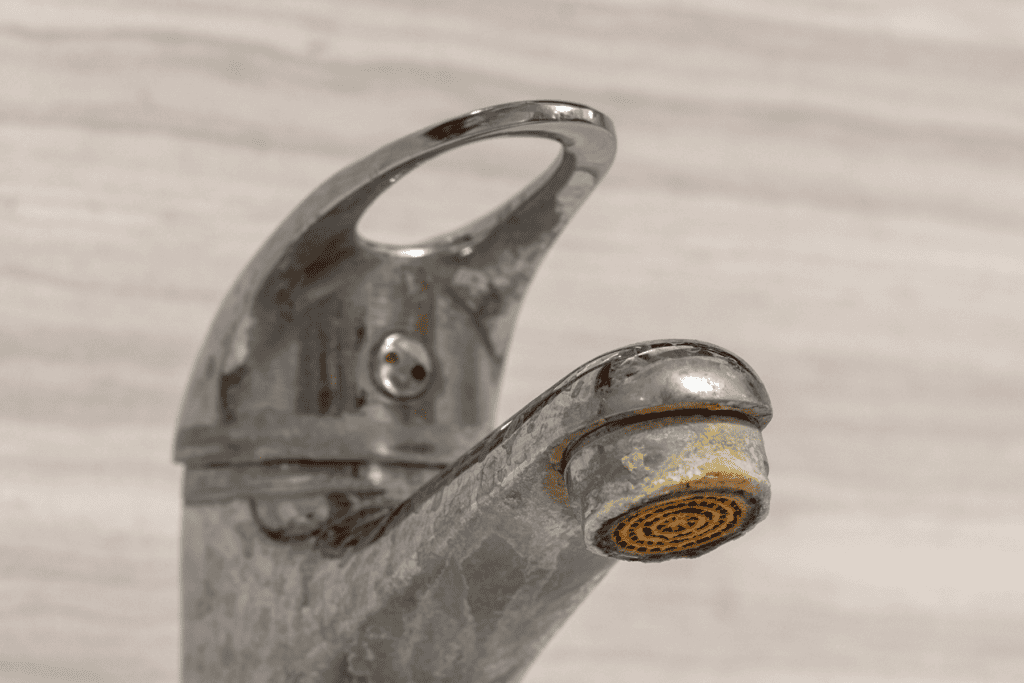
Mineral residue is a frustrating side effect of mineral-rich water. Sinks, chrome faucets, glass shower doors, and toilets often show cloudy white rings. These hard water stains resist regular household cleaners. They usually require acidic cleaners to dissolve. Over time, limescale collects inside aerators and showerheads. This buildup restricts flow and creates uneven spray patterns.
Effects on Soap, Skin, and Hair
Calcium and magnesium react chemically with soap. This reaction slows lather formation. It leaves behind a curd-like soap scum that clings to tiles, bathtubs, and skin. People bathing in hard water often notice dry, tight skin and dull hair. One benefit of soft water is that soap lathers more easily and leaves less mineral-related residue. It rinses completely clean, leaving skin fresh and hair manageable.
Impact on Water Heaters and Plumbing Pipes
Inside household plumbing lines, hardness can cause more serious damage. When water heats up in a water heater, dissolved minerals settle to the bottom of the tank. They coat heating elements and form a thick thermal barrier. This scale layer forces the water heater to work harder and use more energy. Over years of use, mineral scale can also narrow water pipes and reduce overall water pressure.
Common signs of mineral buildup include:
- Chalky white scale gathering on faucets, showerheads, and sink drains
- Cloudy spots and streaks on clean dishes and glassware
- Soap, shampoo, and detergent that struggle to create lather
- Stiff fabrics and faded colors on clothes fresh from the laundry
- Dry skin and dull hair caused by soap scum residue
- Low water pressure caused by scale inside clogged aerators
Noticing these warning signs early can help homeowners address hard water problems before mineral buildup becomes more difficult to manage. As scale continues to collect, it can reduce water flow, lower the efficiency of water-using appliances, and increase wear on plumbing fixtures and equipment. Noticing these changes can make it easier to decide when water testing or a professional plumbing evaluation is worthwhile.
Solutions and Trade-Offs: How to Soften Hard Water
Homeowners dealing with hard water buildup often search for dependable hard water treatment options that reduce mineral scale throughout the home. Understanding hard-water vs. soft-water treatment helps you choose the right system for your home.
How Ion-Exchange Softeners Work
The most common treatment method is an ion-exchange water softener. Hard water enters a treatment tank filled with resin beads. These beads carry sodium ions. As water flows through, the beads capture calcium and magnesium while releasing sodium into the stream. This ion swap removes hardness before the water reaches your taps.
Softener Trade-Offs and Considerations
While ion-exchange systems can effectively treat hard water, homeowners should also consider the ongoing maintenance involved. These systems use salt during regeneration, which means the brine tank needs to be refilled periodically. The softening process can also add a small amount of sodium to household water, which may matter for some homeowners.
Salt-based systems also discharge brine during regeneration, so consider local requirements and household needs when choosing a system. Alternatives such as salt-free water conditioners may be appropriate in certain situations, although they work differently from traditional water softeners. A professional water evaluation can help determine which option makes the most sense for the home.
Water Softening vs. Water Filtration
Water softening and filtration serve two distinct purposes. A water softener targets hardness minerals through ion exchange to protect pipes and fixtures. A whole-home water filtration system removes chlorine, sediment, iron, chemicals, and unpleasant odors. Many homes benefit from combining both systems for improved water quality.
Professional Guidance for Local Homeowners
Choosing the right treatment begins with accurate water testing. When mineral deposits damage fixtures or restrict supply lines, an experienced plumber in Frederick, MD, can evaluate your system. A licensed professional tests your mineral levels, inspects your plumbing, and recommends a properly sized solution for your household.
Protecting Your Home From Hard Water Problems
Comparing hard water vs. soft water highlights how mineral levels shape your daily routine and home durability. Hard water can contribute to limescale buildup, soap residue, and added strain on water-using fixtures and appliances. Soft water can reduce mineral buildup in plumbing and fixtures, make routine cleaning easier, and limit scale accumulation in water-using appliances.
TriState Home Services has been in business since 1949, delivering skilled plumbing in Frederick, MD, and nearby communities. If limescale or mineral buildup frustrates your household, professional testing and softening equipment can protect your plumbing investment.
Schedule Plumbing Service With TriState Home Services
Take control of your home water quality today. The licensed technicians at TriState Home Services can evaluate your plumbing lines, test your water, and install dependable softening equipment. In addition to water quality care, our team provides trusted HVAC service in Frederick, MD, to keep your home comfortable year-round.
Contact TriState Home Services to schedule a consultation.
Souce
- USGS. Hardness of Water. August 24, 2026. https://www.usgs.gov/water-science-school/science/hardness-water