
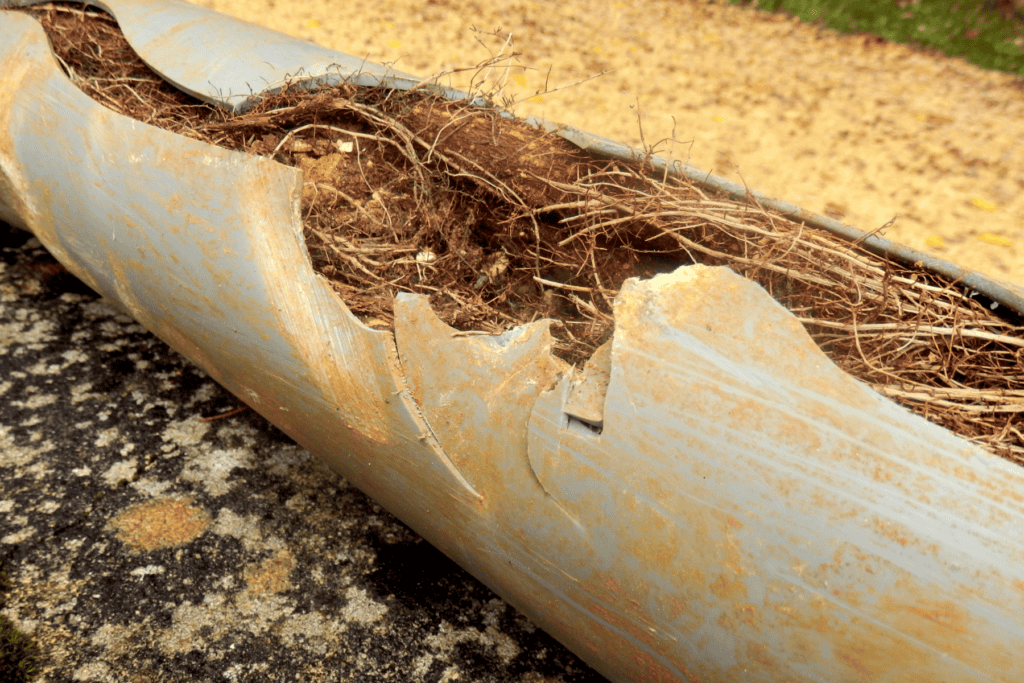
When multiple drains in a home slow down at once, property owners often suspect a localized clog. The actual source often lies buried underground. Tree roots in sewer line systems can cause problems in established neighborhoods in Frederick, MD, where mature trees often grow near older underground pipes.
Tree roots actively search for water, nutrients, and oxygen. Worn pipes become an ideal target when small cracks or loose joints develop. Fine root strands penetrate these openings and form dense woody nets that trap solids. Understanding how tree root intrusion happens helps property owners catch issues early. Recognizing the warning signs and calling a plumber promptly can help prevent major sewer backups.
How Tree Roots Invade Underground Waste Pipes
Root systems expand through the soil to gather nutrients and water for tree foliage. Examining root biology and pipe aging explains why underground plumbing is so vulnerable to root intrusion.
Why Roots Grow Toward Sewer Pipes
Roots tend to grow where the soil offers moisture and nutrients. Sewer pipes carry water and organic waste, and when a pipe has a small crack or loose joint, moisture can escape into the surrounding soil. Nearby roots can find the opening and work their way inside. Once inside, they have steady access to water and nutrients, which allows them to keep growing within the pipe.
Pipe Age and Material
Roots typically enter through existing weak points rather than breaking through intact pipe. Older sewer lines made of clay or cast iron can develop cracks, corrosion, or worn joints over time, giving roots more chances to enter. Heavy ground traffic and soil settling can also shift the line. When tree roots in pipes reach these openings, they enter and widen the gaps over time.
Warning Signs of Tree Roots in Sewer Line Systems
Main sewer laterals lie hidden beneath yards, walkways, and driveways. As a result, early symptoms usually show up inside fixtures before lawn damage becomes visible. Identifying these early indicators allows homeowners to address tree roots in sewer line pipes before lines fail completely.
Interior Plumbing Symptoms
A slow drain in one bathroom sink may simply indicate a localized hair clog. Drainage trouble across multiple fixtures can point to a blockage in the main sewer line. Homeowners should look for several common interior warning signs:
- Multiple sluggish fixtures on the lowest floor, such as basement floor drains, utility tubs, and showers.
- Gurgling sounds from toilet bowls or sinks when an appliance discharges wastewater.
- Toilet clogs that keep coming back even after plunging.
- Sewer odors that escape from basement floor drains or utility areas.
Any one of these signs can have other causes, but when several show up together, a plumber should check them. Watch whether the problems show up in fixtures on the lowest floor first, since that’s often where a main line blockage becomes noticeable. Also track how often the symptoms return after you clear a clog, because a recurring problem points to something deeper in the line than a simple fixture clog.
Exterior Property Indicators
Signs can also appear outside. If a damaged sewer line is leaking, you may notice a strip of unusually green or fast-growing grass along the pipe’s path, soggy soil or sunken spots that stay damp in dry weather, or sewer odors near an outdoor cleanout. None of these confirms tree roots on its own, but combined with indoor symptoms, they can point to a damaged sewer line. Contacting a licensed plumber in Frederick, MD, can provide an accurate diagnosis before pipe damage worsens.
Repair Options for Root-Damaged Sewer Lines
Clearing tree roots in sewer line systems requires a method that matches the pipe’s condition.
Root Clearing
A plumber typically starts with a camera inspection to locate the roots and assess the pipe’s condition. If the pipe is still structurally sound, sewer line root removal with a mechanical auger or hydro jetting can clear the blockage and restore flow.
Structural Repairs and Replacement
When tree roots crack pipe walls or separate joints, clearing alone may only be a temporary fix. Depending on the damage, a plumber may recommend sewer line repair, such as fixing a damaged section or lining the pipe to seal cracks. If the pipe has collapsed or is badly deteriorated, sewer line replacement may be the better long-term option.
Proactive Steps to Protect Underground Sewer Pipes
Preventing sewer line disruptions requires routine maintenance and smart yard planning. Simple preventative choices can help protect underground plumbing and reduce the risk of costly emergencies.
When planting new trees, choose species with less aggressive root systems and plant them well away from your sewer line. Before digging, contact 811 to have buried utility lines marked. Periodic sewer line inspections can catch small root growth before it becomes a major clog, especially in older homes with mature trees nearby. Beyond plumbing, TriState Home Services also provides HVAC service and electrical services in Frederick, MD.
Schedule an Underground Plumbing Evaluation Today
Acting quickly on root problems can help protect your pipes and reduce the risk of sewage backups. The team at TriState Home Services provides thorough diagnostics and sewer line repairs. Reach out online today to request an underground sewer camera inspection and restore dependable drainage to your property.